
Understanding Connecticut’s New Net Metering Program for Solar

Are you a Connecticut homeowner or business owner considering solar panels? If so, you’ve likely heard the term “net metering” thrown around. But what exactly is net metering, and how can it benefit you?
In this article, we’ll break down the essentials of Connecticut’s net metering program, making it easy for you to understand how it works and how it can help you save on your energy bills.
Net metering is a billing mechanism that allows you to send any excess electricity your solar panels produce back to the grid, earning credits on your utility bill. It’s like having a virtual battery that stores your extra energy until you need it.
When the sun goes down or your energy needs exceed what your panels are producing, you can tap into those credits to offset your electricity costs.
Connecticut has been a leader in promoting renewable energy, and its net metering program is a prime example of how the state is empowering homeowners and businesses to go solar.
By allowing you to monetize your excess solar production, net metering makes investing in solar panels an even more attractive proposition.
What is Net Metering?
At its core, net metering is a simple concept. When your solar panels generate more electricity than you’re using, that excess energy flows back into the grid. Your utility company then credits your account for that contributed electricity, typically at the full retail rate.
Think of it like a two-way street. When you need more energy than your solar panels are producing, you draw electricity from the grid as usual. But when your panels are cranking out more than you need, that extra energy travels back to the grid, and you earn credits for it.
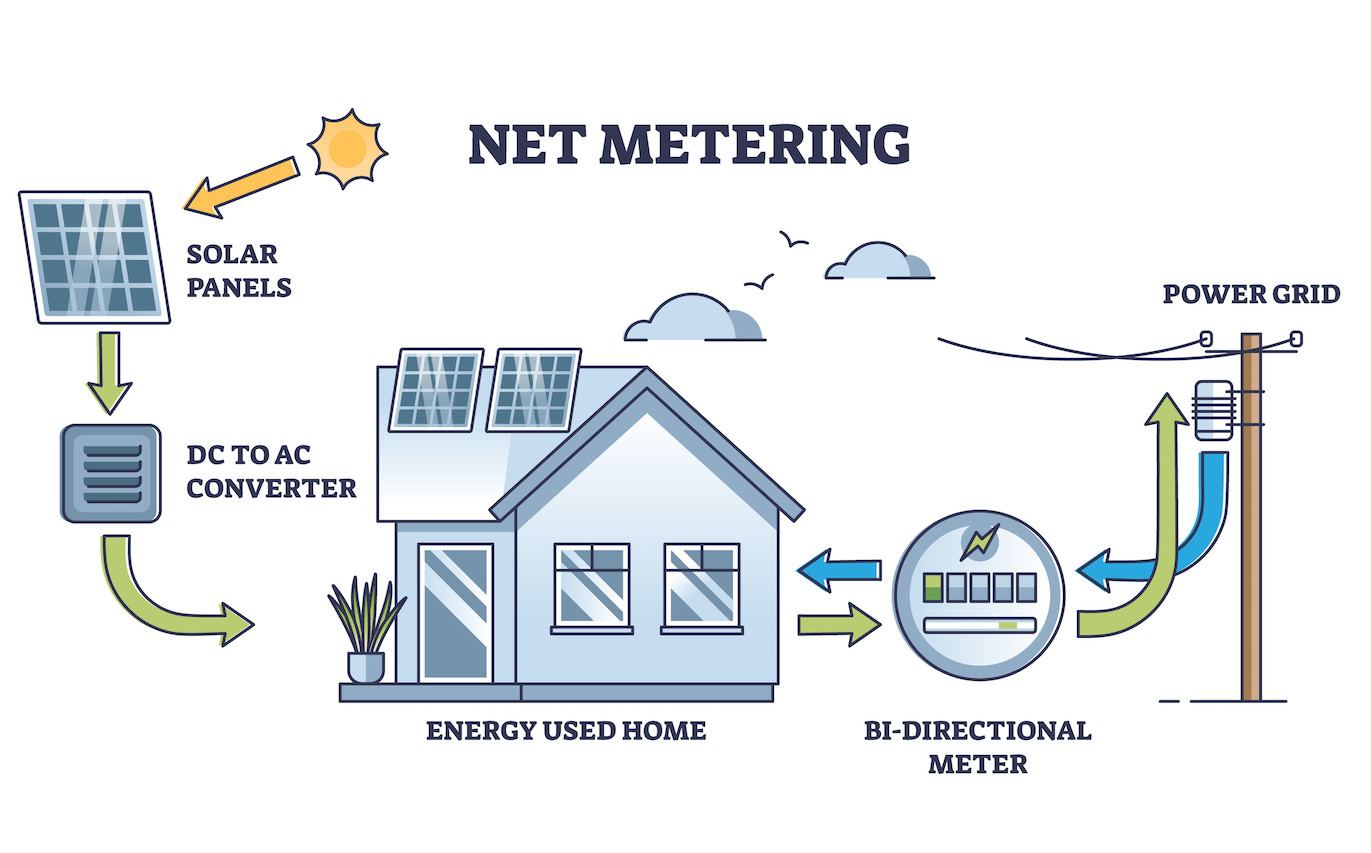
Here’s a quick example to illustrate how it works:
Let’s say your solar panels produce 10 kilowatt-hours (kWh) of electricity during a sunny day, but you only use 8 kWh. The extra 2 kWh gets sent back to the grid, and you receive credits for that amount on your next utility bill.
Now, let’s fast forward to a cloudy day when your panels only generate 5 kWh, but you use 7 kWh. You’ll draw the additional 2 kWh you need from the grid, but instead of paying for it out of pocket, you can apply the credits you earned on that sunny day to cover the cost.
It’s a win-win situation. You get to take full advantage of your solar production, and the grid benefits from your excess clean energy. Plus, you have the satisfaction of knowing you’re playing an active role in Connecticut’s transition to a greener future.
In the next section, we’ll take a closer look at how Connecticut’s net metering program works and how you can get started.
Overview of Net Metering in Connecticut
- Net metering allows solar owners to earn credits for excess electricity sent to the grid.
- Credits offset the cost of electricity consumed from the grid when solar is not producing.
- Connecticut recently replaced traditional net metering with the Residential Renewable Energy Solutions (RRES) program in 2022.
How the RRES Program Works
- Offers two compensation options for residential solar customers: Netting and Buy-All
- Netting option is most similar to traditional net metering
- Solar owner consumes own generation first, exports any excess
- Exports credited at retail rate to offset future electric bills
- Buy-All option requires all solar generation to be exported to the grid
- Compensated at a fixed 20-year tariff rate, higher than wholesale but lower than retail
- Current Buy-All rates for 2023 projects are $0.2943/kWh, and for 2024 are $0.3189/kWh
Both options come with 20-year terms, providing long-term certainty for solar owners.
Enrolling in the RRES Program
- Customers of Eversource and United Illuminating can participate
- Must have a solar PV system 25 kW or smaller
- Cannot have received an incentive under the state’s previous RSIP program
- Solar installer handles interconnection application process with utility
While Connecticut no longer offers traditional net metering, the new RRES program provides attractive compensation structures for residential solar owners. The Netting option functions similarly to net metering, while the Buy-All option offers a fixed 20-year rate.
Additional incentives are available for low-income customers and those in distressed municipalities, making solar more accessible. With the RRES program, Connecticut continues to support the growth of residential solar in the state.
RRES Program Details
The Residential Renewable Energy Solutions (RRES) program in Connecticut offers two compensation structures for residential solar owners: Netting and Buy-All.
The Netting option is most similar to traditional net metering. Under this structure, the solar owner consumes their own solar generation first, and any excess electricity is exported to the grid. The exported kilowatt-hours are credited at the retail electricity rate to offset the cost of future electricity bills. This allows the solar owner to maximize their savings by reducing their electricity purchases from the utility.
In contrast, the Buy-All option requires all solar generation to be exported to the grid. The solar owner is compensated for this exported electricity at a fixed rate over a 20-year term. This rate is higher than the wholesale electricity price but lower than the retail rate.
The current Buy-All compensation rates are:
- For 2023 projects: $0.2943/kWh
- For 2024 projects: $0.3189/kWh
These rates remain locked in for the 20-year term once a project is approved, providing long-term certainty for solar owners.
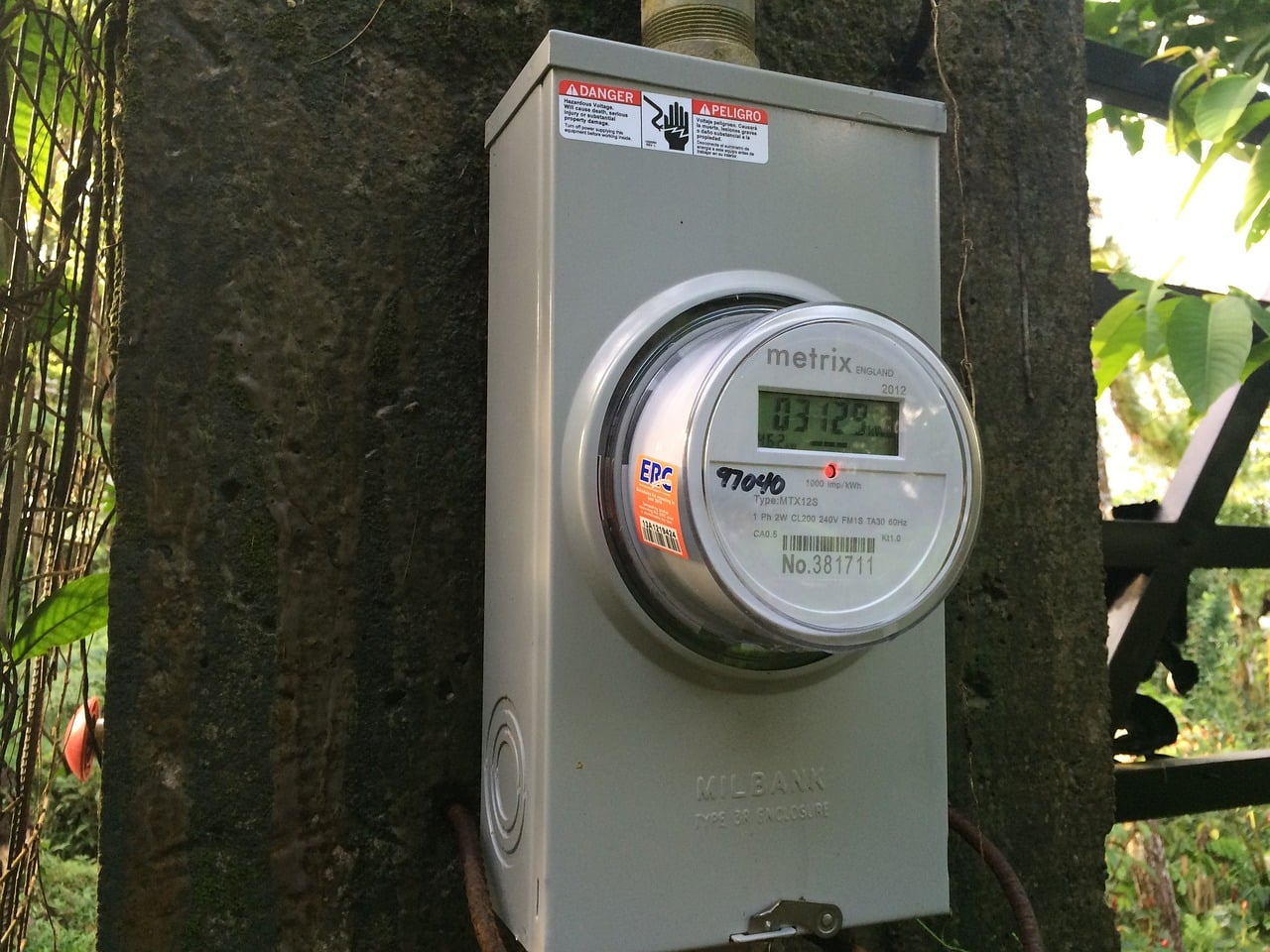
The meter configurations differ between the two options. For Netting, the production meter is installed behind the customer’s revenue/net meter and solely measures the solar system’s production[4]. The revenue/net meter tracks imports from and exports to the grid.
For Buy-All, the production and revenue meters may be the same, as all solar generation is exported. The utility installs a separate meter to track the solar system’s total production for REC accounting and incentive payments.
In summary, the RRES program provides flexibility for solar owners through the Netting and Buy-All options. Netting closely resembles net metering, while Buy-All offers a fixed long-term export rate. The meter configurations are tailored to each option to accurately track solar production, exports, and imports.
Additional RRES Incentives
The Residential Renewable Energy Solutions (RRES) program in Connecticut offers additional incentives for low-income customers and those residing in distressed municipalities. These adders aim to make solar more accessible and affordable to underserved communities.
The low-income adder provides an extra $0.025/kWh for the Buy-All tariff or additional Renewable Energy Certificate (REC) payments for the Netting tariff in 2023.
In 2024, this adder increases to $0.035/kWh for Netting and $0.055/kWh for Buy-All. To qualify, a household must be at or below 60% of the state median income.
Similarly, the distressed municipality adder provides an extra $0.0125/kWh for both tariffs in 2023. In 2024, this adder increases to $0.0175/kWh for Netting and $0.0275/kWh for Buy-All. Customers living in state-identified distressed municipalities are eligible for this incentive.

To illustrate the potential impact of these adders, let’s consider a typical 8 kW residential solar system in Connecticut. Assuming an average annual production of 9,600 kWh, a low-income customer on the Buy-All tariff could earn an additional $4,800 over 20 years with the 2023 adder rate ($0.025/kWh x 9,600 kWh/year x 20 years). For a customer in a distressed municipality on the Netting tariff, the 2023 adder could provide an extra $2,400 over 20 years ($0.0125/kWh x 9,600 kWh/year x 20 years).
Other Connecticut Solar Incentives
In addition to the RRES program incentives, Connecticut offers several other key incentives that further improve the economics of going solar.
The federal solar investment tax credit (ITC) allows homeowners to claim 30% of their solar installation costs on their federal income taxes. For an average 8 kW system costing $21,440 in Connecticut, the ITC could provide a tax credit of $6,432.
Connecticut also exempts solar energy equipment from state sales and use taxes, saving customers 6.35% on their solar purchases. Additionally, the state’s property tax exemption ensures that installing solar panels does not increase a homeowner’s property taxes.
Together, these incentives significantly reduce the upfront cost of going solar and shorten the payback period for Connecticut homeowners. By taking advantage of the RRES program adders, federal tax credit, and state tax exemptions, residents can maximize their solar savings and contribute to a cleaner, more equitable energy future for the state.
Conclusion
Connecticut’s transition from traditional net metering to the Residential Renewable Energy Solutions program has opened up new opportunities for homeowners and businesses to benefit from going solar. The RRES program offers two attractive compensation structures, Netting and Buy-All, that provide flexibility and long-term certainty for solar owners.
The Netting option functions similarly to net metering, allowing solar owners to offset their electricity costs with credits for exports at the retail rate. The Buy-All option enables them to sell all their generation to the utility at a fixed 20-year price, offering revenue stability.
Importantly, the RRES program includes adders for low-income customers and those in distressed municipalities, making solar more accessible and affordable to underserved communities. These adders, combined with other incentives like the federal tax credit and Connecticut’s solar sales and property tax exemptions, significantly improve the economics of going solar.
Connecticut remains committed to supporting the sustained growth of residential solar through smart, equitable policies. The RRES program builds upon the success of net metering while evolving to meet the needs of a modernizing grid and a diverse customer base.
For Connecticut homeowners and businesses considering solar, the RRES program’s attractive compensation structures, long-term contracts, and additional incentives for qualifying customers make now an excellent time to explore the benefits. By going solar, residents can save money, gain energy independence, and contribute to a cleaner, more sustainable future for Connecticut.
Ready to start saving on your energy bills? Get a free solar quote from local installers today and see how much you can save with solar energy. Click here to get started!

Ted Fawcett is the Founder and Senior Advisor at ORKA Finance, a company dedicated to making commercial solar financing more accessible to businesses of all sizes. With over a decade of experience in the solar energy finance industry, Ted is a recognized expert and thought leader in this field.
Subscribe to newsletter
Stay on top of the latest guides and tips on solar.
Related articles


Find Installers In Your City
Find the best solar installers in Connecticut in one click. Start your journey to savings today!