
The Residential Renewable Energy Solutions (RRES) Program

Are you tired of big electric bills in Connecticut? Want to use the sun to save money and help the planet?
Connecticut has changed how it handles solar power. They’ve replaced the old net metering system with something new called the Residential Renewable Energy Solutions Program. This change has left many homeowners with questions.
Imagine making your own clean energy, cutting your carbon footprint, and maybe even earning money from extra power you make.
With this new program, you could:
- Lock in good rates for 20 years
- Get extra help if you have a low income or live in certain areas
- Earn money for the clean energy your system makes
In this guide, we’ll explain everything about the new Residential Renewable Energy Solutions Program. We’ll cover how it works and how to sign up. Let’s explore your solar options!
Here’s what we’ll talk about:
- What is the Residential Renewable Energy Solutions Program?
- How it’s different from the old system
- Two ways to get paid for your solar power
- Extra help for some homeowners
- How to apply for the program
- What you need to know before you start
Ready to learn more? Let’s dive in!
The Net Metering Era: A Brief History
First things first, let’s talk about net metering. For years, Connecticut homeowners with solar panels enjoyed the benefits of net metering. But what exactly was net metering?
Net metering was a simple yet effective system that allowed solar panel owners to:
- Use the electricity they generated
- Send excess electricity back to the grid
- Receive credits on their utility bills for the excess energy
It was like having a piggy bank for your extra solar energy! This system made going solar attractive for many homeowners, as it helped offset their electricity costs and made their investment more worthwhile.
Can you get free solar panels in CT? Find out in our guide here.

Why Did Connecticut Move Away from Net Metering?
Now, you might be wondering, “If net metering was so great, why did Connecticut change it?” Great question! The decision to phase out net metering wasn’t made lightly, and it came with some controversy. Here are a few reasons behind the change:
- Utility concerns: Some argued that net metering was becoming too costly for utility companies, potentially leading to higher rates for non-solar customers.
- Evolving energy landscape: As more people installed solar panels, the state wanted to update its policies to better balance the needs of solar owners, non-solar customers, and the grid.
- Encouraging energy storage: The new program aims to promote the use of battery storage systems, which can help stabilize the grid.
- Addressing equity issues: There were concerns that net metering primarily benefited higher-income households who could afford solar installations.
Enter the Residential Renewable Energy Solutions Program
In 2022, Connecticut introduced the Residential Renewable Energy Solutions Program as a replacement for net metering. This new program aims to continue supporting solar growth while addressing some of the concerns mentioned earlier.
How Does the New Program Work?
The Residential Renewable Energy Solutions Program offers two main options for homeowners with solar panels:
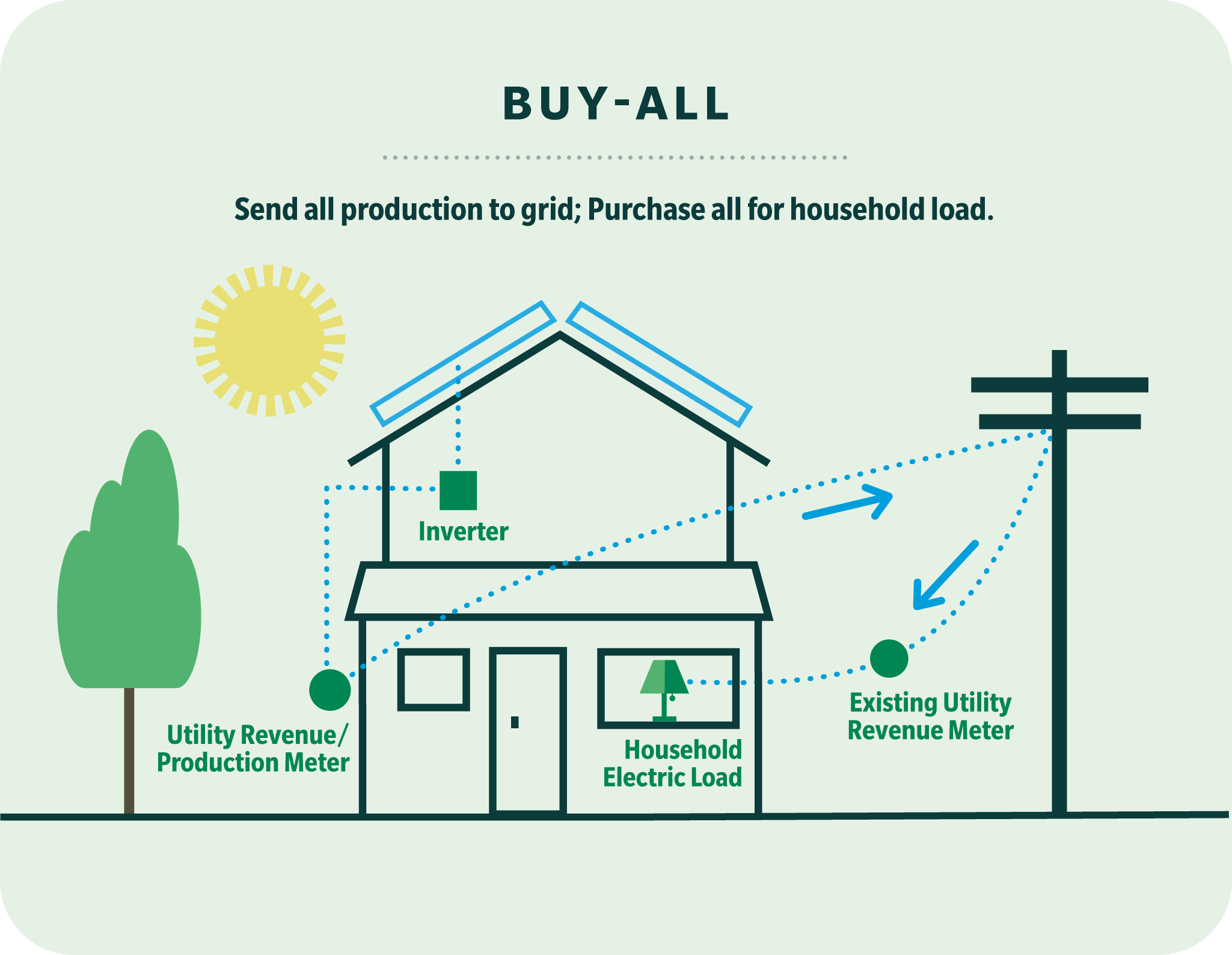
1. Buy-All Tariff:
- The utility company purchases all the electricity your solar panels produce at a fixed rate.
- You buy back the electricity you need at the regular retail rate.
- In 2024, the Buy-all rate was 29.43 cents per kWh.
2. Netting Tariff:
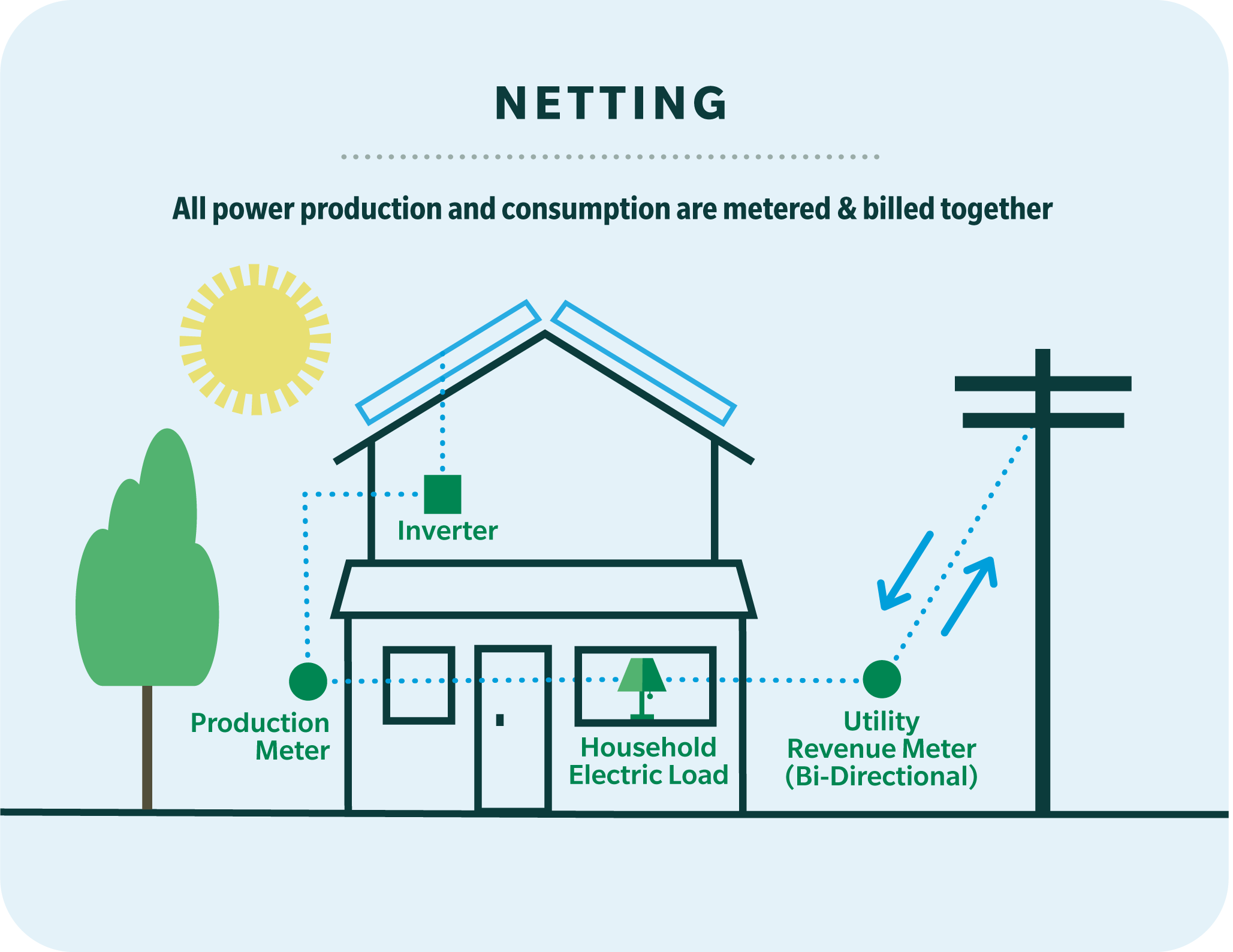
- Similar to traditional net metering.
- You use the electricity your panels produce.
- Excess energy is sent to the grid, and you receive credits at the retail value of electricity.
- You also receive REC compensation worth around 3 cents per kWh.
Both options compensate you for the power produced by your solar system and the associated RECs for 20 years.
Both options also compensate you for the Renewable Energy Certificates (RECs) your system generates, which is an added bonus!
| Feature | Buy-All Tariff | Netting Tariff |
|---|---|---|
| Energy Export | All electricity produced is exported to the grid | Excess electricity after home use is exported to the grid |
| Compensation Rate | Fixed rate (e.g., $0.3189/kWh in 2024) | Retail rate for excess energy + REC compensation |
| REC Compensation | Included in fixed rate | Separate payment (e.g., $0.0318/kWh for Eversource in 2023) |
| Electricity Purchase | Homeowner buys all electricity from utility | Homeowner uses solar electricity first, then grid power |
| Credit Application | On-bill credits or direct payments | Credits applied to future bills |
| Meter Setup | Separate meters for generation and consumption | Single bidirectional meter |
| Credit Rollover | Annual cash-out for unused credits | Credits can be carried over monthly |
| Term Length | 20-year fixed rate | 20-year term with potential rate changes |
| Low-Income Adder | Available ($0.025/kWh in 2023) | Available ($0.025/kWh in 2023) |
| Distressed Municipality Adder | Available ($0.0125/kWh in 2023) | Available ($0.0125/kWh in 2023) |
Note: Rates and details may vary slightly between utility companies (Eversource and United Illuminating) and may change over time. It’s always best to check with your local utility or solar installer for the most up-to-date information.
Key Differences:
-
Buy-All Tariff:
-
- The utility purchases all electricity generated by your solar system at a fixed rate.
- You continue to buy all the electricity you use from the utility at regular retail rates.
- In 2024, the Buy-All rate is $0.3189 per kWh for both Eversource and United Illuminating customers.
- All compensation is provided either as on-bill credits or direct payments to a third-party beneficiary.
-
Netting Tariff:
-
- You first use the electricity generated by your system to power your home.
- Excess electricity is exported to the grid and credited at the retail rate.
- You receive a separate payment for Renewable Energy Certificates (RECs) generated by your system.
- Net credits are applied to your bill in dollars and can offset future charges.
Should you go solar now or wait? Is it worth going solar whatsoever in the state of Connecticut? Get the answer here.
Benefits of the Residential Renewable Energy Solutions Program
The new program offers several advantages for Connecticut homeowners:
- Continued Support for Solar Growth: While it replaced net metering, the program still encourages solar adoption by providing financial incentives for homeowners.
- Two Compensation Options: Homeowners can choose between the Buy-All Tariff and the Netting Tariff, allowing flexibility based on individual needs and preferences.
- Long-Term Stability: The program offers fixed rates for 20 years, providing predictability for homeowners investing in solar.
- Additional Incentives: The program includes extra compensation for low-income customers and those in economically distressed communities.
- REC Compensation: Homeowners receive additional payments for the Renewable Energy Certificates (RECs) their systems generate.

How to Apply for the Program
Applying for the Residential Renewable Energy Solutions Program involves several steps:
- Choose a Solar Installer: Select a reputable solar company in Connecticut to design and install your system.
- Home Energy Assessment: If your home was built before 1980, you’re required to participate in the Home Energy Solutions program before installing solar.
- System Design: Your installer will design a system that meets your energy needs and complies with program requirements.
- Interconnection Application: Your installer will submit an interconnection application to your utility company (Eversource or United Illuminating).
- Select Your Tariff Option: Decide between the Buy-All and Netting tariffs when submitting your application.
- Installation and Inspection: Once approved, your system will be installed and inspected.
- Final Approval and Enrollment: After passing inspection, your utility will give final approval and enroll you in the program.
Remember, the program is administered by Connecticut’s regulated electric distribution companies, Eversource Energy and The United Illuminating Company (UI).
How much will it cost to go solar in Connecticut? Read out comprehensive guide on solar costs in CT.
Additional Considerations
- Income-Eligible and Distressed Municipality Adders: The program offers increased rates for low-income customers and those in economically distressed areas.
- Consumer Protections: The program includes measures to protect consumers, such as financial benefit tracking requirements for contractors.
- Energy Storage: While not required, adding a battery storage system to your solar installation can provide additional benefits and prepare you for potential future changes in energy policies.
By understanding these aspects of the Residential Renewable Energy Solutions Program, Connecticut homeowners can make informed decisions about going solar and maximize the benefits of their renewable energy investments.
Final word
It’s an exciting time for solar power in Connecticut! The new Residential Renewable Energy Solutions Program opens up great chances for homeowners like you.
Let’s recap:
- You can save money on electric bills
- You’re helping the environment
- You might even earn some extra cash
Whether you choose the Buy-All or Netting option, you’re making a smart move for your wallet and the planet.
Ready to take the next step? Talk to a local solar installer. They can help you figure out if solar is right for your home and guide you through the application process.
Remember, the sun’s energy is free. Why not put it to work for you? Your future self (and your bank account) will thank you!

Ted Fawcett is the Founder and Senior Advisor at ORKA Finance, a company dedicated to making commercial solar financing more accessible to businesses of all sizes. With over a decade of experience in the solar energy finance industry, Ted is a recognized expert and thought leader in this field.
Subscribe to newsletter
Stay on top of the latest guides and tips on solar.
Related articles


Find Installers In Your City
Find the best solar installers in Connecticut in one click. Start your journey to savings today!